
May 08, 2026
Here Comes Hay Fever
Early June marks the start of peak hay fever season. And according to Allergy UK, hay fever is on the rise as our climate continues to change.
We spoke with Sam Fells, Founder of Breaze Health, who shared her key insights on managing hay fever naturally and effectively.
What Exactly Is Hay Fever?
“Hay fever, or seasonal allergic rhinitis, is an allergic reaction to airborne allergens,” explains Sam. “Pollen is the main culprit in spring and early summer, but dust, pet dander and mould spores can also trigger symptoms year-round.”
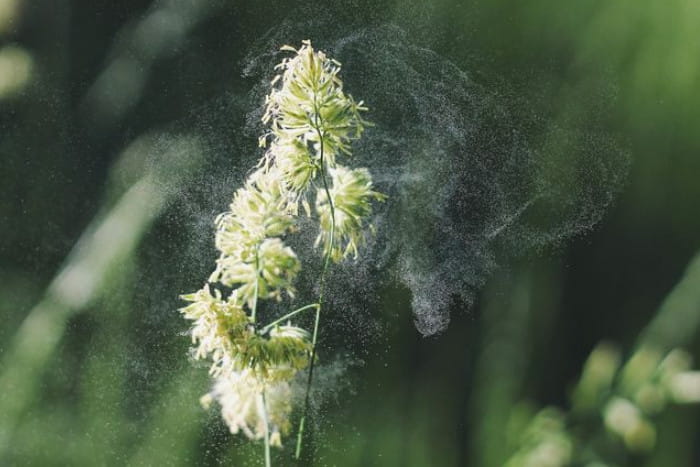
Pollen grains are tiny particles produced by flowering plants as part of their reproductive cycle. Most garden flowers rely on insects for pollination, but many trees, and all grasses, depend on the wind to carry their pollen from plant to plant.
This means that when grasses bloom from late May through summer, the air fills with pollen, setting off hay fever symptoms for millions.
Managing Hay Fever: Sam’s Expert Advice
Like sensitivity to sunlight, pollen tolerance varies from person to person. Some react to even small amounts, while others can tolerate much more before symptoms flare.
- Try Daily Antihistamines
For most people, a daily antihistamine provides effective relief. But if you prefer to avoid medication, there are plenty of natural ways to ease symptoms by cutting down exposure.
- Know the Pollen Forecast
Use apps such as My Pollen Forecast or the BBC Weather app to check pollen levels in your area.
- Simple Ways to Protect Yourself
- Sunglasses – Wear them even on cloudy days. Wraparound styles help shield your eyes from floating pollen.
- Hats – A wide-brimmed hat or cap can stop pollen from settling in your hair.
- Hair Care – If you have long hair, tie it up or plait it on high pollen days to avoid pollen build-up.
- Barrier Balm – Apply a protective balm around your nose and eyes.
Breaze Barrier Balm is 100% natural, infused with soothing essential oils and clinically proven to trap up to 30% of pollen.
- Stay Hydrated
Keeping well-hydrated helps reduce the intensity of your body’s histamine response. Stick to water — caffeine and alcohol can be dehydrating.
- Sip on Chamomile Tea
Chamomile has natural anti-inflammatory and antihistamine properties, soothing your airways and calming reactions.
Tip: Chill used tea bags to soothe swollen, itchy eyes.
- Use Essential Oils for Support
“Some essential oils can help clear nasal passages, ease breathing and promote better sleep,” – Sam.
Lavender, chamomile, clove leaf, eucalyptus and lemon all have beneficial properties.
Breaze Vapour Oil, a blend of 10 essential oils supported by scientific data, provides natural anti-inflammatory and antihistamine effects.
About Sam Fells and Breaze Health
Sam Fells, founder of Breaze Health Ltd, has over 15 years of experience developing complementary therapies and supplements with Boots the Chemists.
She created Breaze in 2013 to help her son manage his allergies during exam season. The award-winning Breaze range, launched in 2019, offers natural support for hay fever sufferers and is available to buy at Ragdale Hall.
Rated Excellent on Trustpilot, Breaze combines science, nature and proven results. Find out more about Breaze Health here.
More Ragdale News
Meet EnHance: The Lash & Brow Serum Helping You Feel Like You Again
Sep 16, 2026
EnHance is designed for everybody. Whether you’re in between lash and brow treatments,…

HOW A SPA BREAK CAN BOOST THE EFFECT OF WEIGHT LOSS DRUGS
Sep 14, 2026
According to a YouGov poll, nearly 7% of the UK population are using or have used weight…

Embracing a Season of Rest: Why Slowing Down Matters
Sep 01, 2026
As summer fades and the golden hues of autumn begin to emerge, nature gently reminds us…



Leave a Reply